Rianxo
A Coruña, Galicia
- Place
- A Coruña, Galicia
Rianxo has an exceptional cultural density: it is a key place for Castelao, Manuel Antonio and Rafael Dieste and has made literary memory a visible part of its urban landscape.
The maritime town of Rianxo, on the Arousa estuary, is associated with several of the most influential figures of twentieth-century Galician culture. Castelao was born here in 1886 and retained the family home as a place of return and reference throughout his life; the house was later declared a heritage site.
Manuel Antonio was also born in Rianxo and made the sea one of the great subjects of the Galician poetic avant-garde. Rafael Dieste belongs to the same cultural map. The result is a territory in which biography, literature and maritime landscape are tightly interwoven.
Castelao’s memory acquired a powerful public dimension during the transition. The tribute and monument inaugurated in 1975, while Francoism still endured, temporarily turned Rianxo into a symbolic centre of cultural and democratic affirmation.
One town, several generations
Castelao, Manuel Antonio and Dieste connect political Galicianism, poetic avant-garde and theatre.
The sea as culture
The estuary and maritime experience belong both to local economic life and literary imagination.
Public memory
Houses, monuments and commemorations make authors’ biographies part of how the town is read today.
- 1886Castelao is born in Rianxo
- 1900Manuel Antonio is born in Rianxo
- 1975A monument to Castelao is unveiled in a highly symbolic tribute
- 2009Castelao’s family home is declared a protected historic site
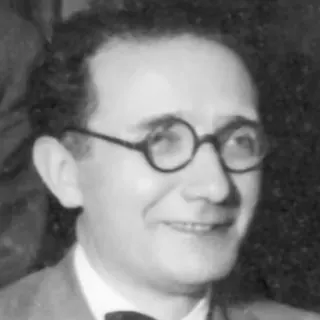
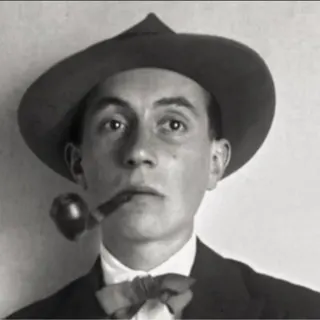
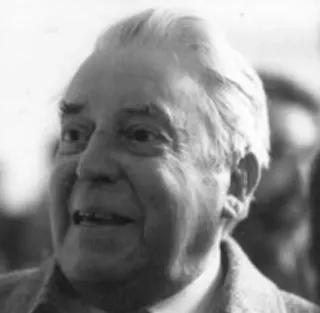
- Castelao family home in Rianxo · BICBoletín Oficial del Estado
- Castelao in the documents · RianxoConsello da Cultura Galega