Consello da Cultura Galega
Santiago de Compostela
- Place
- Santiago de Compostela
The Consello da Cultura Galega is a distinctive statutory institution: it researches, documents, advises and projects Galician culture at the intersection of knowledge and public policy.
The creation of the Consello da Cultura Galega derives directly from Galicia’s Statute of Autonomy. Law 8/1983 established the institution as an advisory body for defending and promoting Galicia’s cultural values, and its first plenary meeting took place in November that year.
From the beginning it combined institutional work and research: congresses, specialised sections, archives, publications and documentation projects form part of a model designed to place specialist knowledge at the service of society.
Digitisation greatly expanded this role. Projects such as Álbum de Galicia, emigration archives, correspondence collections, periodicals and sound resources make the Consello one of the major documentary nodes for studying both modern and historical Galician culture.
A statutory institution
Its existence is tied to Galicia’s autonomous institutional framework and a public advisory role.
Research and documentation
The Consello produces knowledge, preserves sources and creates access tools for researchers and the public.
A distributed digital archive
Biographies, correspondence, press, emigration and sound form an ecosystem of interconnected databases.
- 1983-07-08Law 8/1983 creates the Consello da Cultura Galega
- 1983-11First plenary meeting; Ramón Piñeiro is elected president
- décadas posterioresSections, archives and digital projects expand
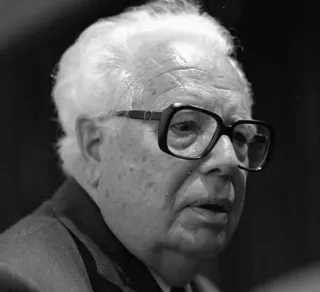
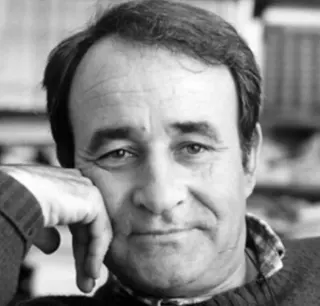
- Álbum de Galicia · Consello da Cultura GalegaConsello da Cultura Galega
- History of the Consello da Cultura GalegaConsello da Cultura Galega
- Álbum de Galicia · Consello da Cultura GalegaConsello da Cultura Galega