Celanova
Ourense, Galicia
- Place
- Ourense, Galicia
Celanova is a place where monastic heritage, literature and civic memory overlap: from Saint Rudesind to Curros Enríquez and Celso Emilio Ferreiro.
Celanova’s urban history is deeply marked by the monastery of San Salvador, whose religious, economic and cultural power structured the town for centuries. The monumental complex and Baroque development left an imprint that still organises the historic centre.
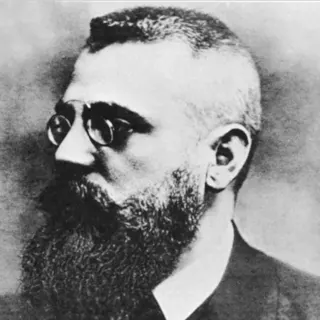
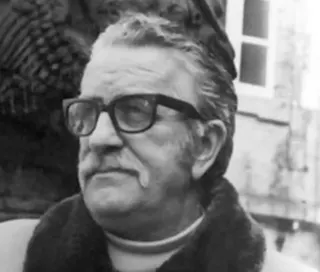
Celanova is also a literary town. Manuel Curros Enríquez was born here in 1851 and Celso Emilio Ferreiro in 1912. Their houses, streets and present-day routes make it possible to read two very different moments of Galician literature: the nineteenth-century Rexurdimento and twentieth-century poetry of commitment.
The Fundación Curros Enríquez and projects such as Poemas na rúa have turned this literary memory into a public experience: texts by writers from Celanova appear within the urban space itself, linking reading and territory.
Monastery and town
Celanova’s history cannot be understood without the long influence of the monastery of San Salvador.
Two major poets
Curros Enríquez and Celso Emilio connect the town to two different centuries of literary renewal and commitment.
Literature in public space
Literary routes and panels turn the streets into a form of open archive.
- século XThe monastery of San Salvador consolidates Celanova as a religious and cultural centre
- 1851Manuel Curros Enríquez is born · Celanova
- 1912Celso Emilio Ferreiro is born · Celanova
- Celanova · culture and tourismConcello de Celanova
- Celanova · literary itineraryFundación Curros Enríquez
- Manuel Curros Enríquez · Álbum de GaliciaConsello da Cultura Galega
- Celso Emilio Ferreiro · Álbum de GaliciaConsello da Cultura Galega